
Blue Exorcist anime series review discussions always get stuck on the watch order before anyone talks about the actual story. That's because the production history is genuinely confusing and nobody warns you before you start. You get twenty-five episodes of solid shonen action, then season two pretends half of those episodes never happened. It's annoying. But if you can navigate the weird timeline issues, there's a pretty good demon-fighting show here with one of the better sibling dynamics in the genre.
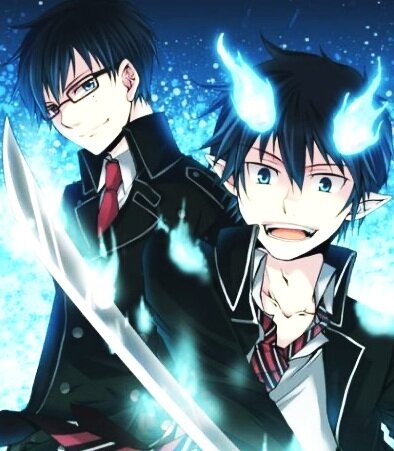
The whole thing centers on Rin Okumura, a teenage delinquent who discovers he's literally the son of Satan. Not metaphorically. His biological father is the devil, which gives him blue flames that burn everything and a tail he has to hide. His twin brother Yukio is also Satan's kid but somehow got the human genetics jackpot, so he's a genius exorcist while Rin can barely read. They enroll in True Cross Academy, a fancy school that trains exorcists, and Rin has to keep his demonic heritage secret from classmates while learning to fight demons. It's standard shonen setup but the family drama hits harder than expected.
The Watch Order Disaster
Here's what nobody tells you. You can't just watch Blue Exorcist straight through without getting confused. Season one adapts the manga faithfully up through episode fifteen or sixteen, then the anime overtook the source material and invented its own ending. That's fine, happens all the time. But then season two, called Kyoto Saga, came out years later and followed the manga canon, which completely contradicts the anime-original ending from season one. So season two starts and acts like episodes seventeen through twenty-five of season one simply did not occur.
If you want to watch this properly, you stop season one at episode sixteen, watch all of Kyoto Saga, then go back and finish season one if you really want to see the non-canon ending. Some people say skip the last nine episodes entirely. Others argue you should watch everything in release order and just accept the retcon. Both approaches are valid but the fact that we have to have this conversation shows how poorly the production was planned. It creates this weird disconnect where characters die in the anime ending but are alive in season two with no explanation.
What The Show Actually Does Right
When Blue Exorcist isn't tripping over its own continuity, it delivers exactly what you want from a shonen series. The animation by A-1 Pictures in the first season holds up surprisingly well, especially during the fight sequences where Rin unleashes those blue flames. The character designs are distinctive without being overly complicated, and the school setting provides a nice contrast to the demon-slaying violence. You've got your standard exorcist classes with different specializations, Knights who fight with swords, Dragoons who use guns, Doctors who heal, and it gives the cast specific roles beyond just punching harder.
The relationship between Rin and Yukio carries the entire show. Rin is loud, impulsive, and struggles with his demonic nature while trying to do good. Yukio is cold, calculating, and secretly dealing with his own demonic awakening that he hides from everyone including his brother. Their dynamic evolves from Yukio protecting Rin to Rin having to save Yukio from his own self-destructive tendencies. It's rare to see a shonen protagonist who isn't the genius chosen one while his brother handles the paperwork, and the show mines a lot of drama from Rin's fear that he'll inevitably hurt the people he loves because of his heritage.
Season One Hits Different Despite The Mess
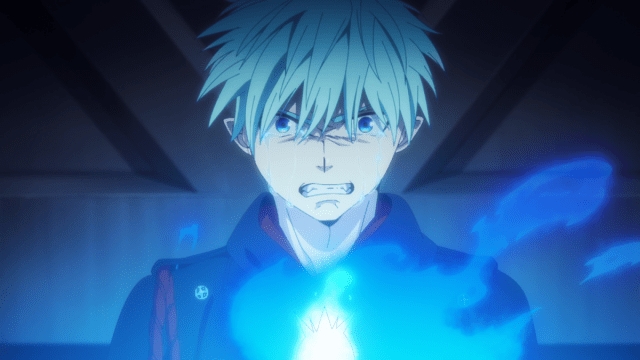
The first season of Blue Exorcist is weirdly comforting television even with its flaws. You've got the typical school festival episodes mixed with genuinely scary demon attacks, and the tonal whiplash somehow works. Rin's classmates start as one-note archetypes, the serious guy with glasses, the tsundere, the quiet girl who likes plants, but they develop actual personalities as the show progresses. The filler episodes aren't great but they're short enough that you can power through them without losing interest.
The problems start when the anime catches up to the manga. The last nine episodes rush through plot points that needed way more breathing room. Satan shows up and he's supposed to be this ultimate evil, but the anime version feels less like a villain and more like a plot device to give Rin something to punch. The finale wraps up too neatly while simultaneously leaving threads hanging, and it satisfies nobody. If you're a manga reader, these episodes will frustrate you because they remove important foreshadowing and change character motivations. If you're anime-only, you'll probably notice the drop in writing quality even if you can't pinpoint why.
Kyoto Saga Fixes What Was Broken
Season two, Kyoto Saga, consists of only twelve episodes and covers the Kyoto arc from the manga. This is where the show finds its footing again because it's actually following source material. The animation style shifts slightly, looking a bit cleaner but losing some of the rough energy from A-1's original work. The story focuses more on Ryuji Suguro, nicknamed Bon, and his family's temple while introducing higher stakes with the Impure King resurrection plot.
The action is less frequent but better choreographed when it happens. You get to see the exorcist class system actually matter as different characters use their specific skills together. Rin struggles with controlling his flames in a way that feels earned rather than just power-up nonsense. The downside is that if you watched the season one ending, the beginning of Kyoto Saga makes zero sense because it references events that didn't happen in that timeline. Characters reference fights that occurred differently and relationships that developed in ways you didn't see. It's jarring and the studio never addresses it in-show.
The Newer Seasons Finally Get Serious
After Kyoto Saga, the anime went dormant for years before returning with Beyond the Snow Saga and then Blue Night Saga, now produced by Studio VOLN instead of A-1 Pictures. These seasons adapt the Illuminati arc and the flashback arc explaining Rin and Yukio's parents. The animation is more conservative, fewer flashy fights and more static talking heads, but the story gets significantly darker and more complex. We're dealing with human experimentation, cults trying to resurrect Satan, and Yukio's complete psychological breakdown.
Beyond the Snow features some of the best character work in the entire franchise. There's an episode focused on Shura Kirigakure's backstory involving a family curse and a snake demon that hits harder than anything in the early seasons. The show doesn't shy away from showing how messed up the True Cross Order actually is beneath the surface. Lightning, a new teacher who investigates the organization's secrets, becomes Bon's mentor and their dynamic adds a detective noir element to the exorcism action. Hiroyuki Sawano and Kohta Yamamoto handle the music now, and the soundtrack elevates even the slower scenes with heavy orchestral tracks that remind you things are about to get bad.
Why The Power System Falls Short
Look, I love this show, but the combat mechanics are just okay. You've got your standard categories, Knight for melee fighters, Dragoon for gun users, Aria for scripture reciters, Tamer for summoners, and Doctor for healers. It's functional but it doesn't have the intricate rules of something like Hunter x Hunter or Jujutsu Kaisen. The fights tend to resolve because Rin gets angry enough to burn hotter rather than through clever strategy or technique evolution.
Rin doesn't really grow as a fighter across twenty-five episodes. He starts with blue flames that destroy everything and ends with slightly bigger blue flames that destroy everything. There's no technique refinement, no learning new skills beyond basic sword swings. Yukio gets a few new gadgets but mostly shoots guns. Compare this to other long-running shonen where protagonists develop signature moves or learn to combine abilities, and Blue Exorcist feels static. The battles look cool thanks to the animation and Sawano's music dropping at the right moments, but the actual power progression is weak.
The Side Characters Carry The Humor
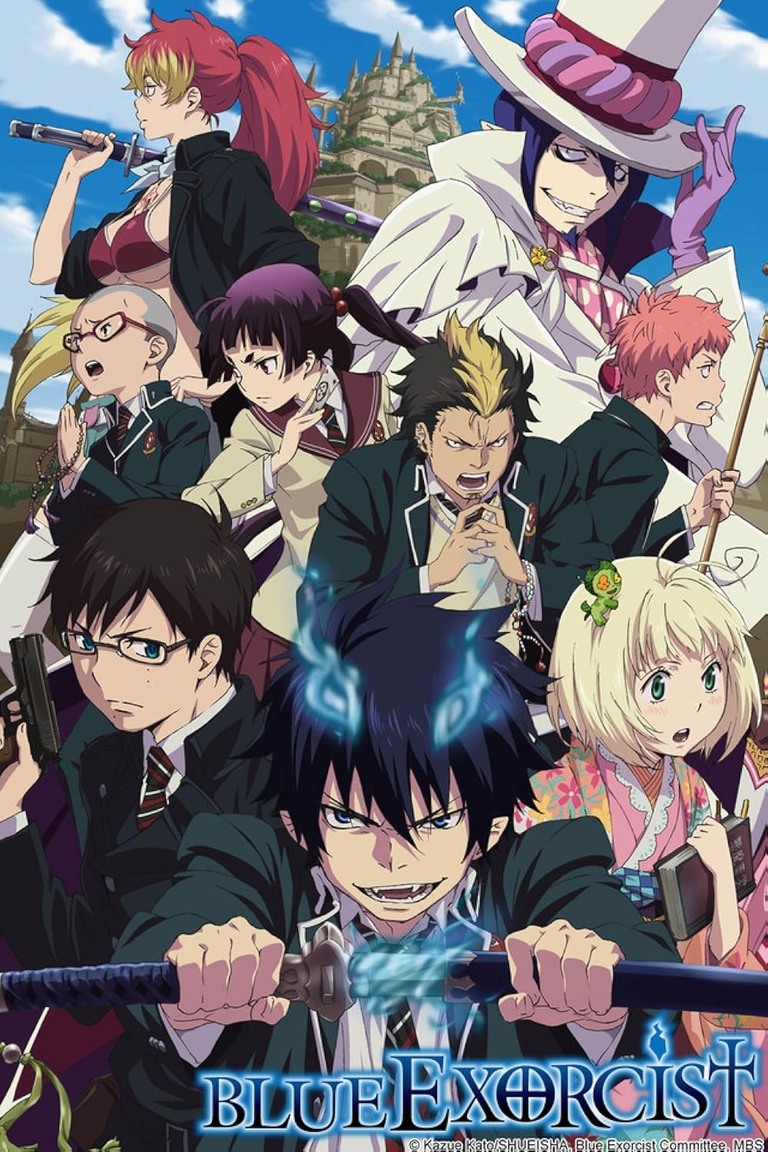
While the Okumura brothers handle the heavy drama, the supporting cast keeps things from getting too depressing. Mephisto Pheles, the principal who is actually a demon king, steals every scene he's in with his theatrical nonsense and unclear motivations. He might help the heroes, he might be manipulating them, and he definitely enjoys wearing ridiculous outfits while doing both. Shiemi starts as the typical shy love interest but develops into someone figuring out her own path to becoming an exorcist rather than just supporting Rin.
Izumo gets a whole arc about her family and the Illuminati that gives her real agency. Even minor characters like Konekomaru and Renzo get moments to shine during the Kyoto arc. The show understands that you need breaks between the heavy sibling angst, so it throws in cooking contests and beach episodes that actually advance character relationships instead of just being filler. The English dub is solid too, with Johnny Yong Bosch voicing Yukio and bringing the right amount of restrained panic to the character.
The Romance Actually Works
In a genre where romance is usually either nonexistent or badly handled, Blue Exorcist manages a decent slow burn between Rin and Shiemi. It's not the focus, but it's there in the background progressing naturally. Rin tries to confess multiple times and gets interrupted, which is normally annoying, but here it works because he keeps chickening out due to his insecurity about being part demon. Shiemi isn't just waiting around either, she's dealing with her own trauma about her grandmother and figuring out if she even wants to be an exorcist or just run the family shop.
There's a love triangle that thankfully gets resolved without dragging on forever. The newer seasons add Izumo into the mix as someone who helps Rin practice confessing, which creates some funny moments without undercutting the main pairing. It's refreshing to see a shonen where the romance doesn't feel tacked on or like a reward for the hero, but rather two damaged people slowly learning to trust each other.
Final Verdict On Blue Exorcist
Blue Exorcist is a good show that keeps getting interrupted by bad decisions. The first season starts strong, fumbles the ending, but remains entertaining throughout. Kyoto Saga corrects the timeline but feels smaller in scope. The newer seasons, Beyond the Snow and Blue Night Saga, finally tell the story properly with the weight it deserves, exploring themes of nature versus nurture, institutional corruption, and whether you can escape your bloodline.
If you watch this, stop at episode sixteen of season one, jump to Kyoto Saga, then go back to finish season one only if you really care about seeing an alternate ending. The manga is still the definitive version, but the anime has enough charm and solid voice acting to justify the time investment. The blue exorcist anime series review consensus is that it's a comfort watch with some genuinely great moments buried under production issues. Rin and Yukio's relationship is worth the price of admission alone, and seeing them grow from estranged brothers to something resembling a real family hits harder than most shonen emotional beats.
It's not a masterpiece. The power system is basic, the pacing is inconsistent, and you need a flowchart to watch it in the right order. But it's got heart, decent action, and characters you actually care about saving the world. In a genre oversaturated with power scaling debates and endless tournament arcs, sometimes you just want to watch a guy with blue flames try to make friends while his brother has a mental breakdown. This delivers exactly that.