
You keep hearing Death March to the Parallel World Rhapsody anime review threads calling this a generic power fantasy... They're missing the gimmick. This show isn't trying to be Sword Art Online or Overlord. It's trying to be a vacation slideshow with a side of slave harem politics that nobody asked for, and somehow it works just enough to keep you from closing the tab.
The title references a programming death march, that crunch period where coders sleep under desks to ship broken software. Satou (or Ichirou Suzuki, depending on which part of his identity you care about) collapses from overtime and wakes up inside the game he was debugging. Instead of panic, he treats the whole thing like a much needed nap. That's the vibe. That's the whole show. If you want tension, watch something else.
The Programming Joke Nobody Gets
Most isekai protagonists die via truck kun or get summoned by gods. Satou just falls asleep at his keyboard. The death march title isn't edgy; it's literal office culture commentary. He was pulling impossible hours fixing bugs for a mobile game, blinked, and suddenly he's level 310 with a meteor shower spell that erases countries. The metaphor collapses immediately because instead of stress, he gets godhood.
This setup could have been interesting. A developer who knows the code base should break the world in creative ways. But the show doesn't care about that. Satou knows he's OP and decides to tour the countryside instead of testing limits. He buys a wagon. He cooks stew. He collects beast girl slaves because that's apparently standard equipment in this genre now. The programming angle becomes window dressing, a clever title that means nothing after episode one.
A Road Trip With No Destination
People compare this to Konosuba or Re Zero but those comparisons fail. Konosuba parodies the genre. Re Zero tortures its hero. Death March just... drives around. It's a road trip isekai where the antagonists get resolved in single episodes. There's an undead king arc that lasts twenty minutes. A demon lord candidate shows up and gets talked to death. Satou doesn't want conflict. He wants to see the sights.
This relaxed approach creates a weird viewing experience. You can't get mad at it because nothing bad happens. The girls are safe. The money is unlimited. The food looks good (apparently the animation budget went entirely into drawing meat and soup). But you also can't get excited. It's the anime equivalent of watching someone else's vacation photos while they insist the hotel wifi was really interesting.
The Harem Is Creepy And The Show Knows It
Here's where Death March to the Parallel World Rhapsody gets uncomfortable. Satou is nearly thirty in real world years. His harem includes Pochi and Tama, who look and act like ten year olds. Arisa is physically eleven but mentally older due to reincarnation mechanics that don't help the visual situation. Mia looks twelve. They're all slaves he buys or frees, then adopts into his traveling family.
The show tries to handle this by making Satou a gentleman who refuses their advances. Arisa throws herself at him constantly. He says no. The age gap is acknowledged. But they're still in his bed, still calling him master, still part of a harem structure that expects you to find them cute in compromising positions. It's the standard isekai slave problem where the story wants the titillation without the moral weight, and it creates this cringe layer over every wholesome cooking scene.
Liza, the older lizard beastkin, gets a lisp from Minami Tsuda that makes her endearing rather than annoying. Nana speaks in monotone because she's a clone. These voice acting choices add personality that the character designs (desaturated, dark, and weirdly serious looking for such a light plot) fail to provide. But they don't fix the fundamental issue that half the cast looks like children and the camera lingers on them anyway.
Silver Link Forgot How Eyes Work
The animation is serviceable. That's the nicest thing you can say. Silver Link produced this, and they've done better work elsewhere. Here, the colors are muddy. Everything looks brown and gray even during happy festival scenes. But the real crime is the eyes.
Characters don't look at each other when they talk. Their eyes focus on empty space slightly left or right of the person they're conversing with. It's subtle at first, then you can't unsee it. Basic animation errors like this ruin immersion. When Pochi screams about meat (which is often), she's staring at a wall instead of Satou. It's amateur hour for a studio that should know better.
Action scenes suffer from missing sound effects. Swords hit shields with no clank. Magic fires silently. This might be an intentional choice to emphasize Satou's overwhelming power (he ends fights before they start), but it looks like unfinished editing. The food still looks great though. Every bowl of miso soup and skewer of meat gets detailed shading while the dragon fights look like watercolor smudges.
Why Being Overpowered Ruins The Plot
Satou gets his levels from a debug menu glitch. He can learn any skill by watching it once. He has infinite money, infinite health, and infinite patience. This removes all stakes. When he enters a dungeon, you know he'll clear it in five minutes with no injuries. When a corrupt noble threatens his friends, he'll teleport behind them and knock them out with a level one punch.
Some fans argue this is the point. It's relaxing. You don't have to worry about the girls dying or the hero failing. But relaxation requires some tension to release. Death March has no tension to start with. It's flat soda. Pleasant enough if you're thirsty, but you won't remember the taste. The LN source material apparently has deeper lore about gods and memory manipulation, but the anime adaptation cuts all that out in favor of cooking montages.
The Characters Save It From Total Obscurity
Despite the pacing problems and weird harem dynamics, some characters shine. Pochi and Tama's meat obsession (they chant "niku" like a prayer) provides consistent comedy. Liza's dignity contrasts with her beastkin instincts. Arisa's constant failed seduction attempts are funny until you remember her apparent age, then they're just sad.
Zena Marientell, the soldier girl Satou meets early on, represents what could have been. She's age appropriate, has her own goals, and doesn't call him master. The show forgets about her for episodes at a time. When she returns, it reminds you that this could have been a normal romance or adventure story instead of a slavery tourism simulator.
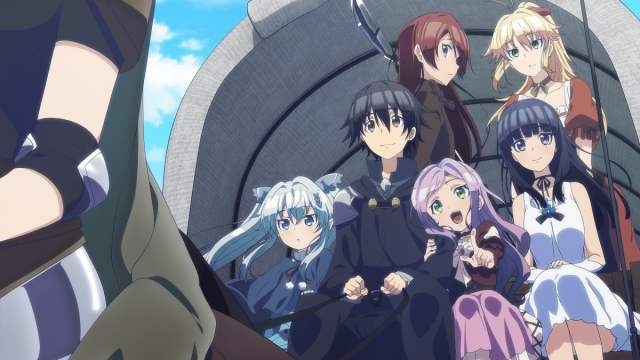
The group dynamic works best when they're just eating dinner. Satou plays dad, the beastkin girls play excitable children, and Mia plays the quiet one. These moments are genuinely cozy. You can see why people binge this when they're sick or stressed. It's a warm blanket that smells slightly of questionable ethics.
Comparing It To Better Isekai
Konosuba understands that overpowered characters need to suffer socially to be funny. Re Zero understands that powerlessness creates horror. Death March understands that some viewers just want to see a fantasy menu screen and hear cooking sounds. It's not competing with the heavy hitters. It's competing with silence.
If you want world building, look elsewhere. The show spends twelve episodes in and around one city. The world map is an afterthought. If you want romance, the age issues make it impossible to root for any pairing except maybe Zena, who gets no screen time. If you want action, the missing sound effects and instant wins kill the hype.
But if you want background noise while you fold laundry, this hits different. It doesn't demand attention. It doesn't have cliffhangers. It just exists, Episode after episode of polite overpowered tourism.
The Pacing Kills All Momentum
The anime covers light novel arcs that should take three episodes in single installments. The undead king appears, monologues, and dies before the opening song finishes. A demon lord candidate gets talked down over tea. Satou solves political corruption by showing his guild card and being rich. There's no buildup, no struggle, no catharsis.
This creates a weird rhythm where you're always waiting for the real story to start. Episode eight feels like episode two. The status quo never changes because Satou won't engage with the world's problems beyond surface level. He's a tourist who occasionally punches a bandit then writes a bad review on fantasy TripAdvisor.
Should You Watch This Thing
If you hate isekai, this won't convert you. It has every trope you despise (truck kun is replaced by nap kun, but the result is the same). The harem is exploitative. The protagonist has no flaws. The world is barely sketched. But if you've seen fifty isekai shows and you want something that won't raise your blood pressure, Death March delivers.
It's the anime equivalent of those YouTube channels where people restore old paintings or cook in the wilderness. No stakes, just process. You watch Satou buy spices. You watch him build a bathhouse. You watch him gently reject a child's romantic advances for the fifteenth time. It's strange, it's uncomfortable at moments, but it's never stressful.
The light novel apparently gets better, exploring the god lore and Satou's real body back in Japan. The anime teases these threads then drops them. If you want the full story, you'll need to read. The show itself is a complete meal but it's all appetizers. No meat, despite what Pochi and Tama want.
Death March to the Parallel World Rhapsody anime review scores usually land in the five out of ten range, and that's fair. It's not good. It's not bad. It's the beige paint of anime. Sometimes you need beige. Sometimes you want to stare at a wall and think about nothing. This show is that wall, and it has lizard girls with lisps standing in front of it.